Start Small Think Big
Start Small Think Big
Start Small, Think Big
In the school environments we work at, we notice that many participants introduce their diagnosis before they introduce themselves. Our role is to remind them that there is more to their story. Confidence and career thinking grow side by side.
Each CEF (Careers and Employment Facilitator) builds trust and understanding with their participants over time. We help them notice their own strengths and possibilities. It begins with connection and grows through small steps.
We all begin with a simple question: “What is your dream job?” Even when the answer is “I do not know,” it is where we start and where progress begins.
Confidence and self-belief are skills we build and rebuild over time. They often fade during teenage years as uncertainty and comparison sets in, bringing anxiety about what comes next.
We are not experts in mental health, but confidence is something we try to nurture every day. It helps participants prepare for life after school and imagine what their futures might look like.
Name it, then reframe it
We start by naming what feels difficult. When someone says, “I am not good at this,” we take a moment to look again. What if it becomes, “I am still learning this?” That shift creates the space for growth and turns attention towards what is possible.
Focus on the positives
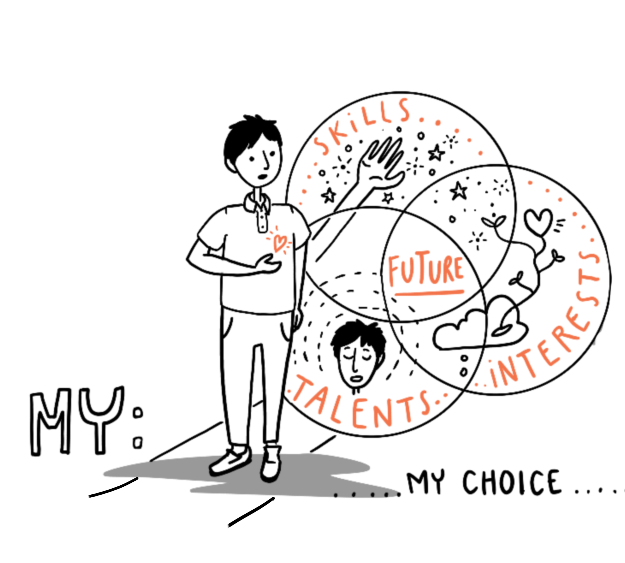
We look at strengths and skills, asking participants to name what they are good at and what they enjoy. In our workshops, we celebrate small wins such as speaking up in a group, completing a task, or simply showing up on a difficult day. Each reflection plants the idea that self-belief can be practised anywhere, not just in a workshop.
Over time, focusing on strengths becomes a habit. It begins to shape how participants see themselves as capable, employable, and ready to learn.
Keep repeating
Confidence takes practice. The thinking and the doing need to happen again and again until they feel natural. Repetition builds comfort, and comfort builds courage. As their self-belief grows, participants begin to approach new settings with curiosity, imagine future roles with hope, and take ownership of their transition plans.
In many ways, confidence building is never just one activity. It develops through conversations, workshops, and real-world experiences that guide participants towards their next step.