Networks
Growing Good Lives, Together
Networks is a person‑centred, relationship‑based approach that supports people with intellectual disabilities and/or autism to live good lives rooted in family, friendship, and community. Rather than fitting people into services, Networks starts with the person. Networks focuses on peoples hopes, relationships, strengths, and everyday life and build support around what truly matters to them.
Networks is a way of working that puts people, families, and communities back at the centre.
Our Vision
We believe people thrive when they are:
- Known and valued
- Connected to others
- Active contributors in their communities
- Care works best when it grows from relationships and when professionals work alongside people.
Networks exists to:
- Further enhance a person's natural support network
- Build meaningful relationships and belonging
- Reduce dependence on congregated services
- Use resources more flexibly and creatively
Examples of Networks in Action
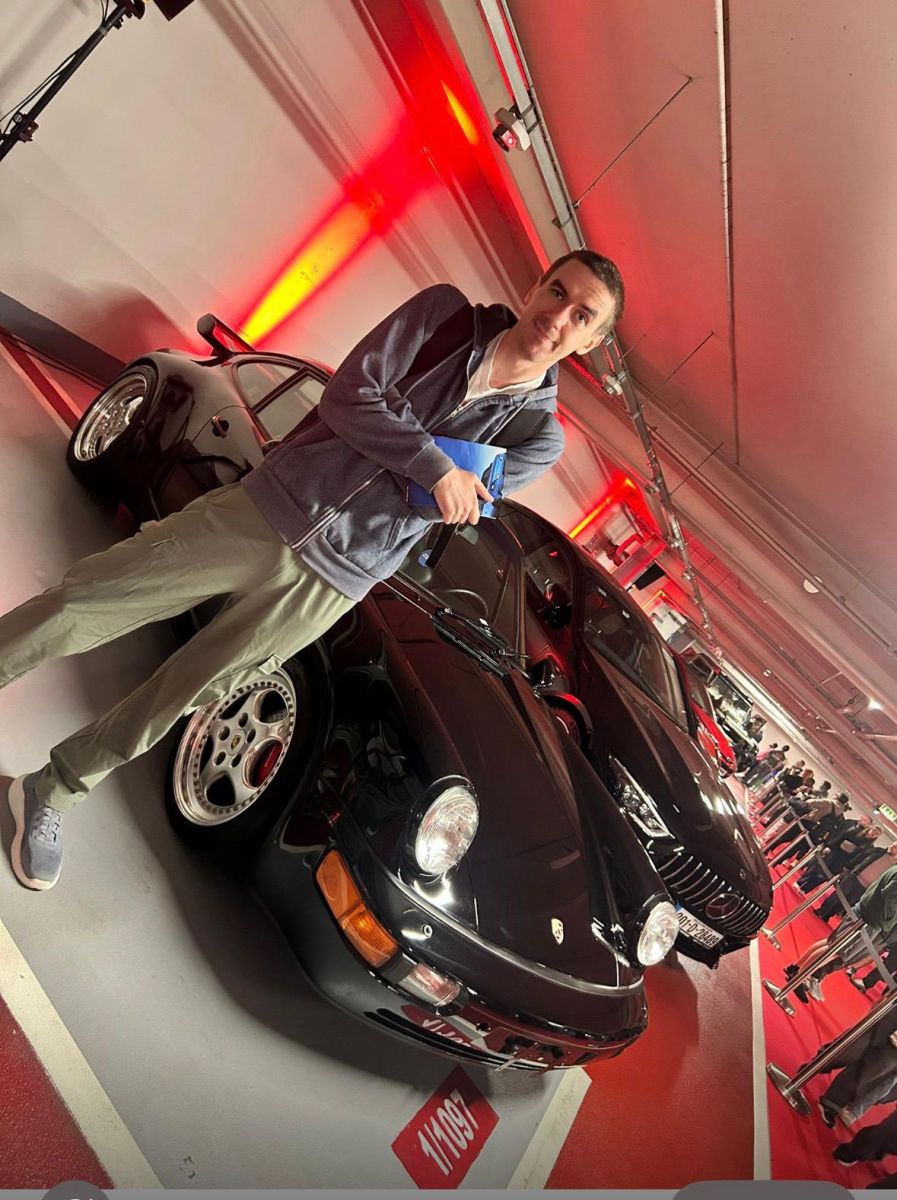
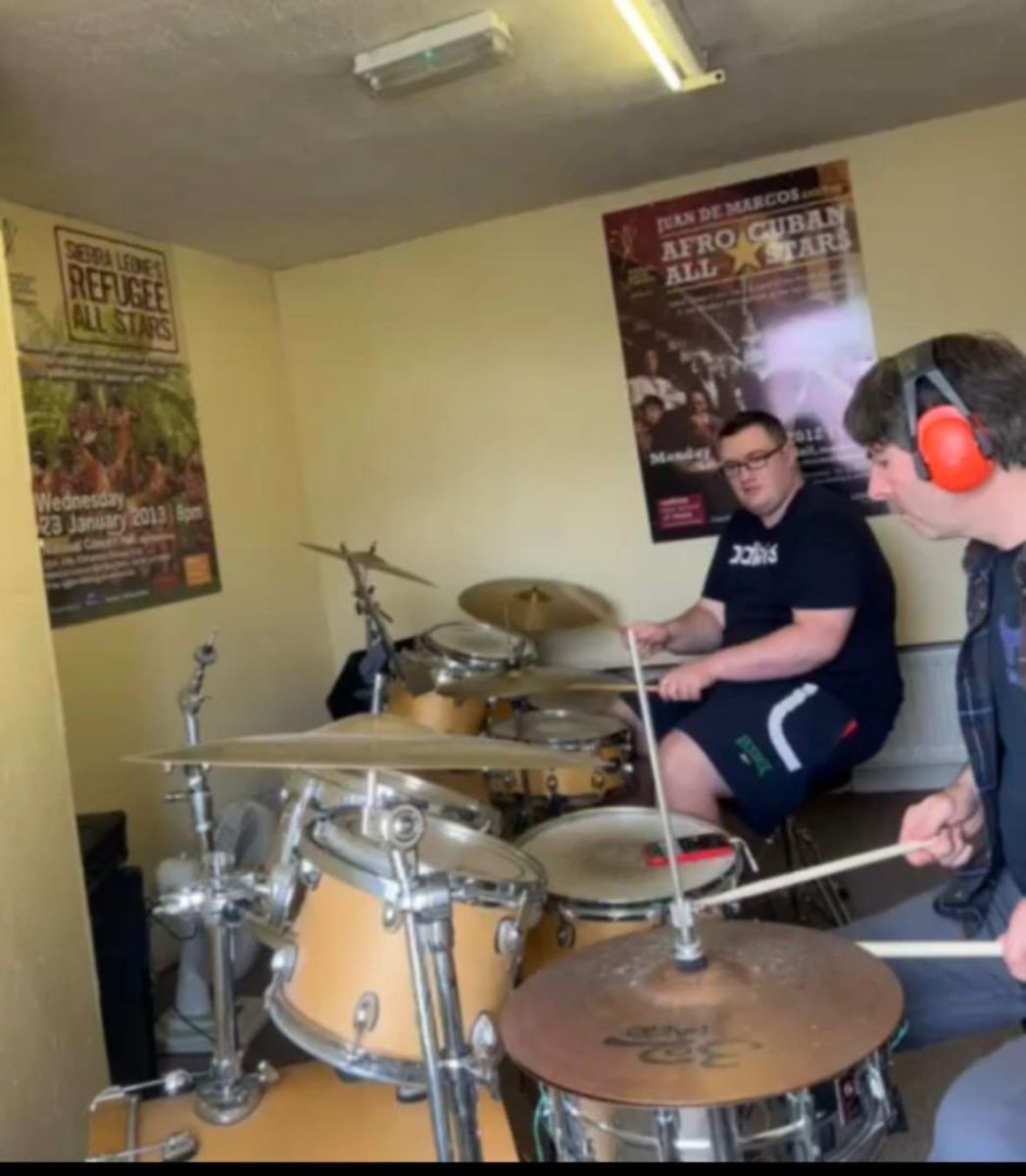
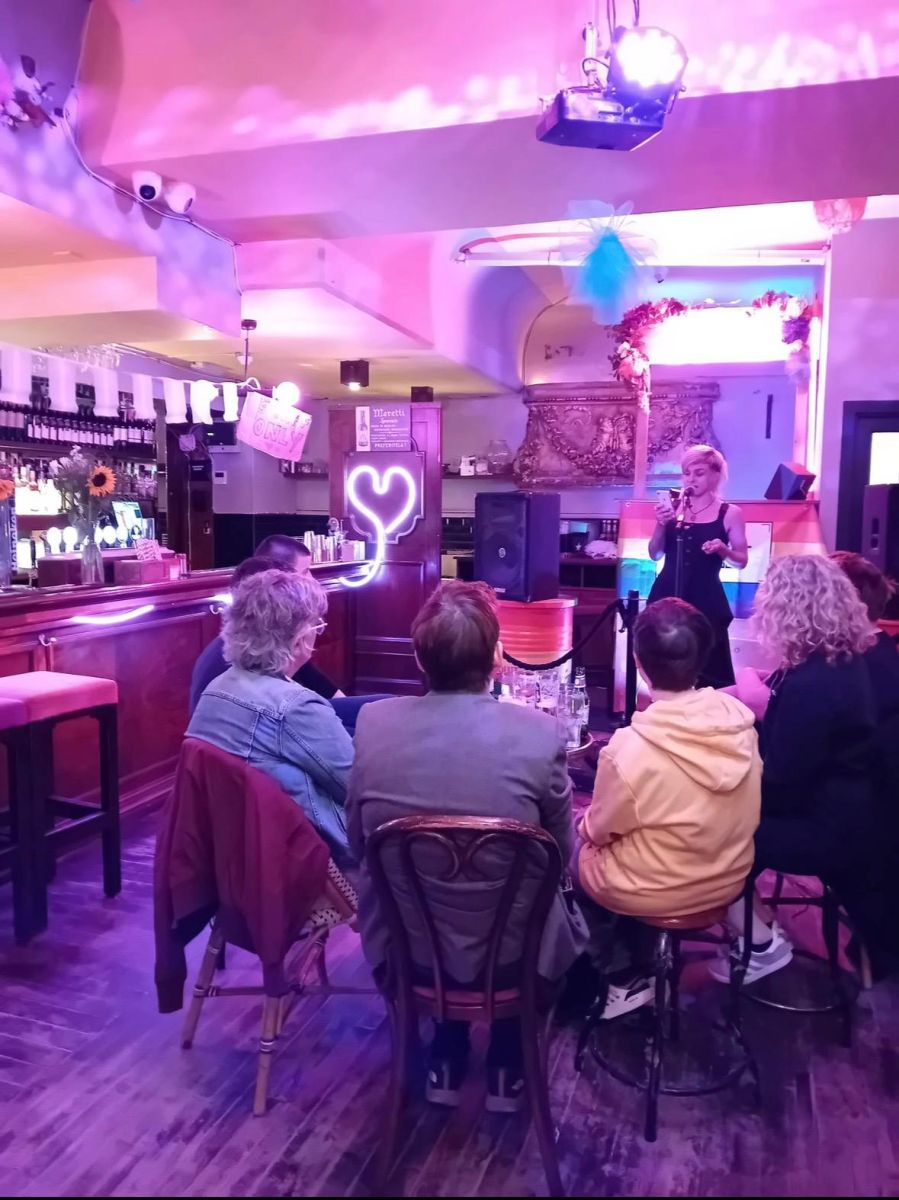
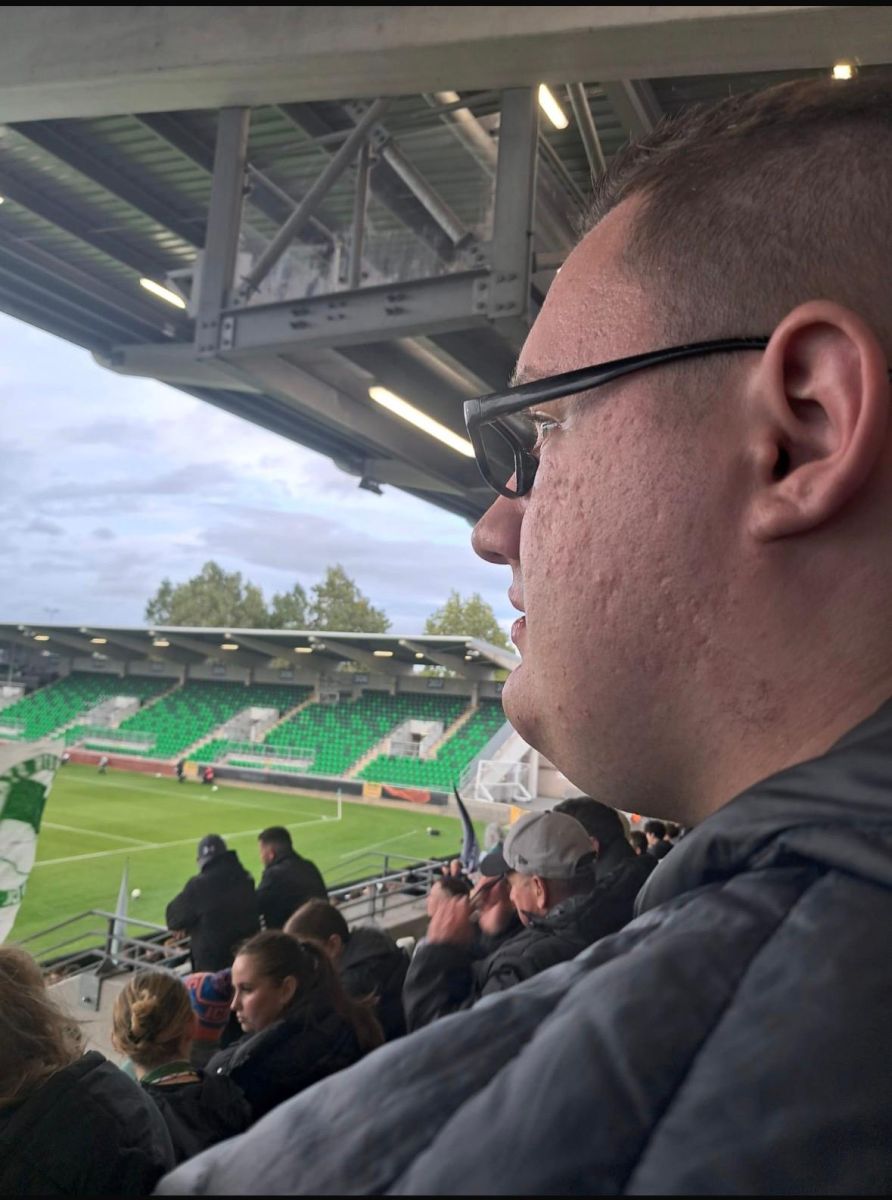
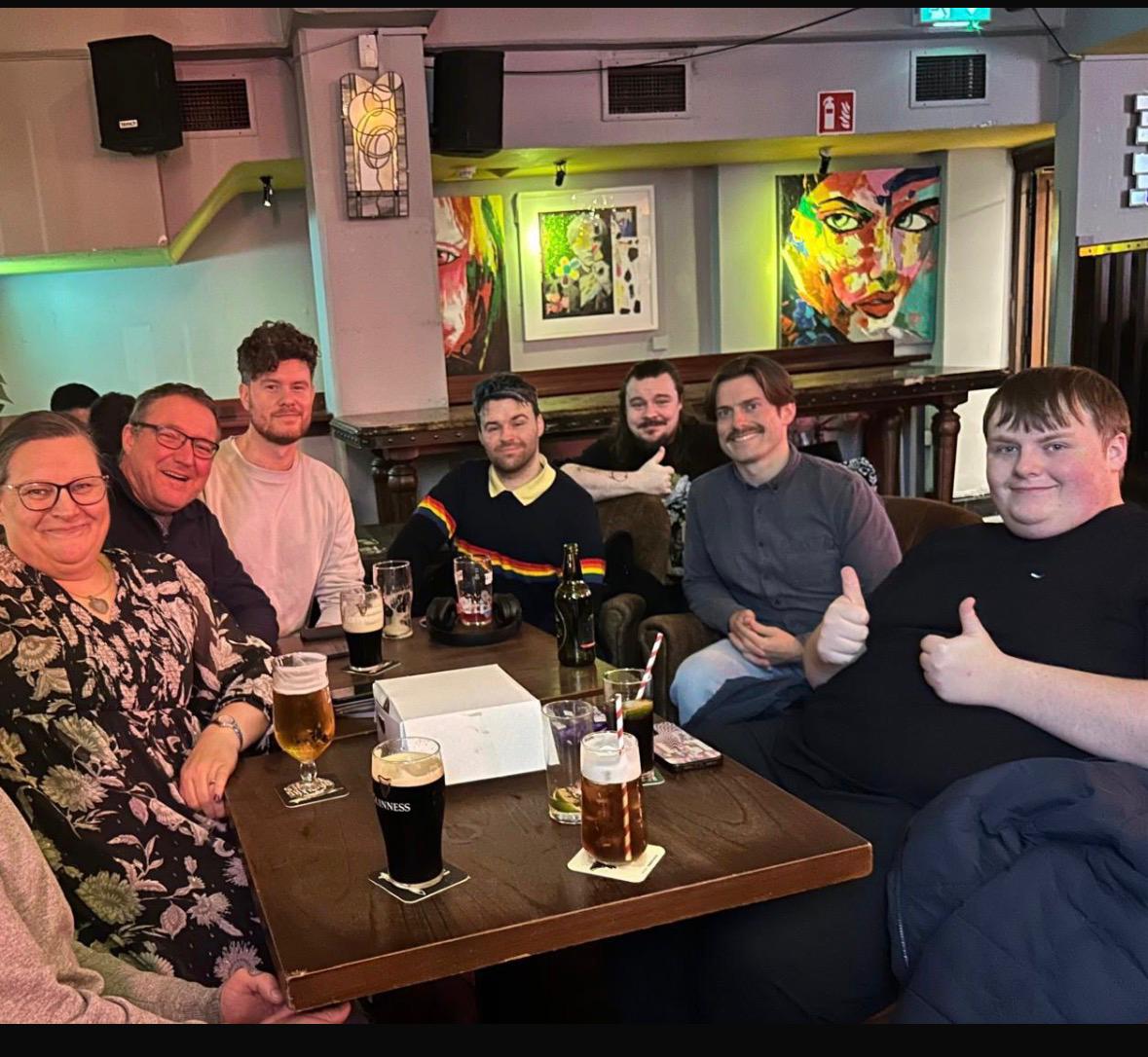
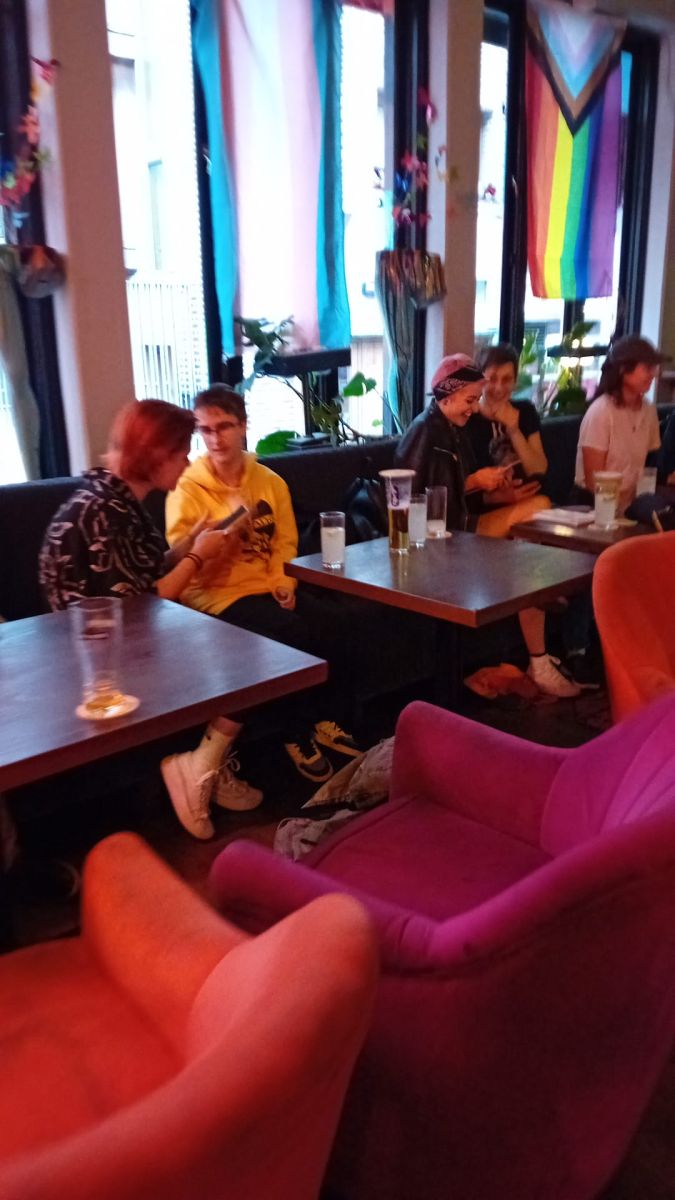
- A young adult builds friendships through shared interests in their local community
- A family stays actively involved, working together to shape a person’s direction and future plans
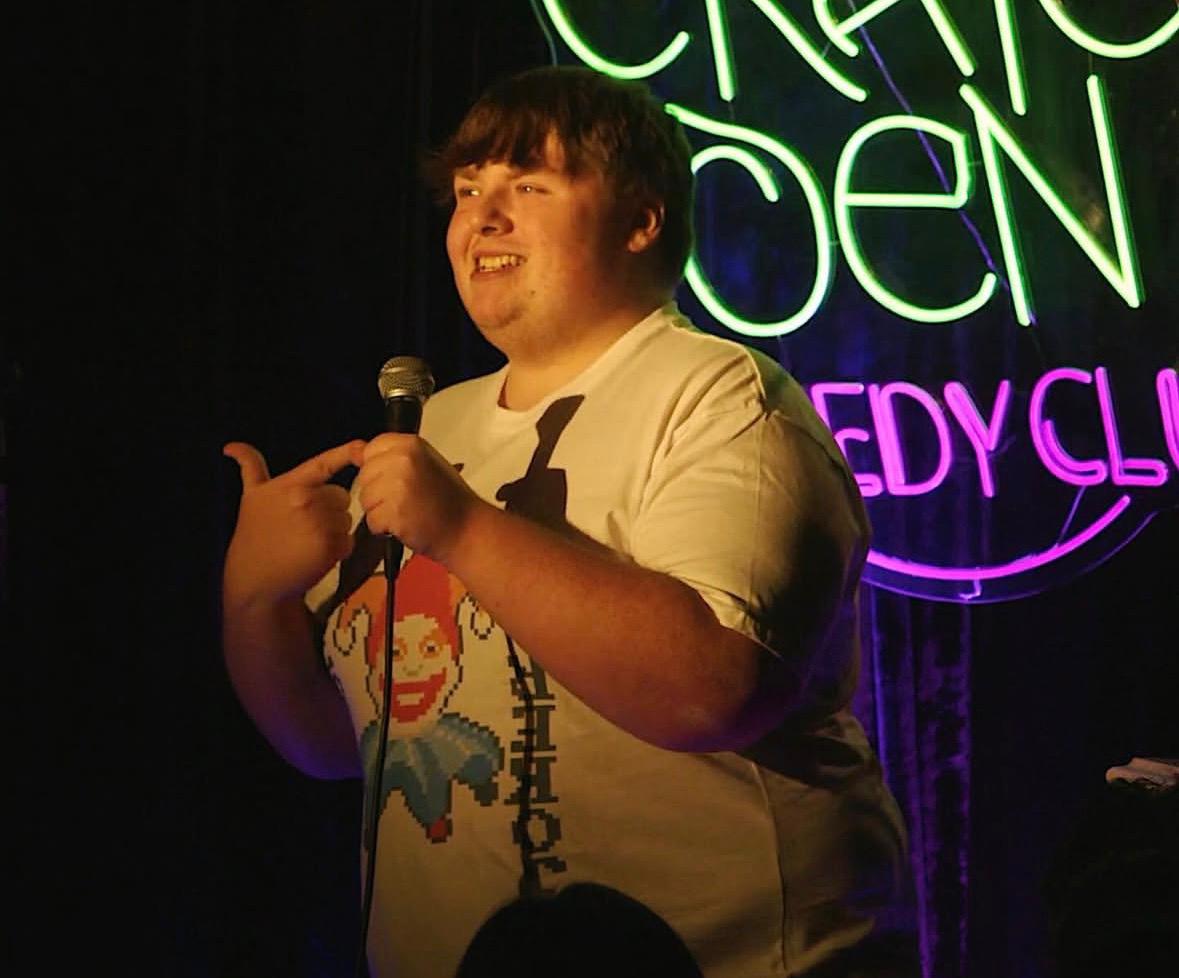
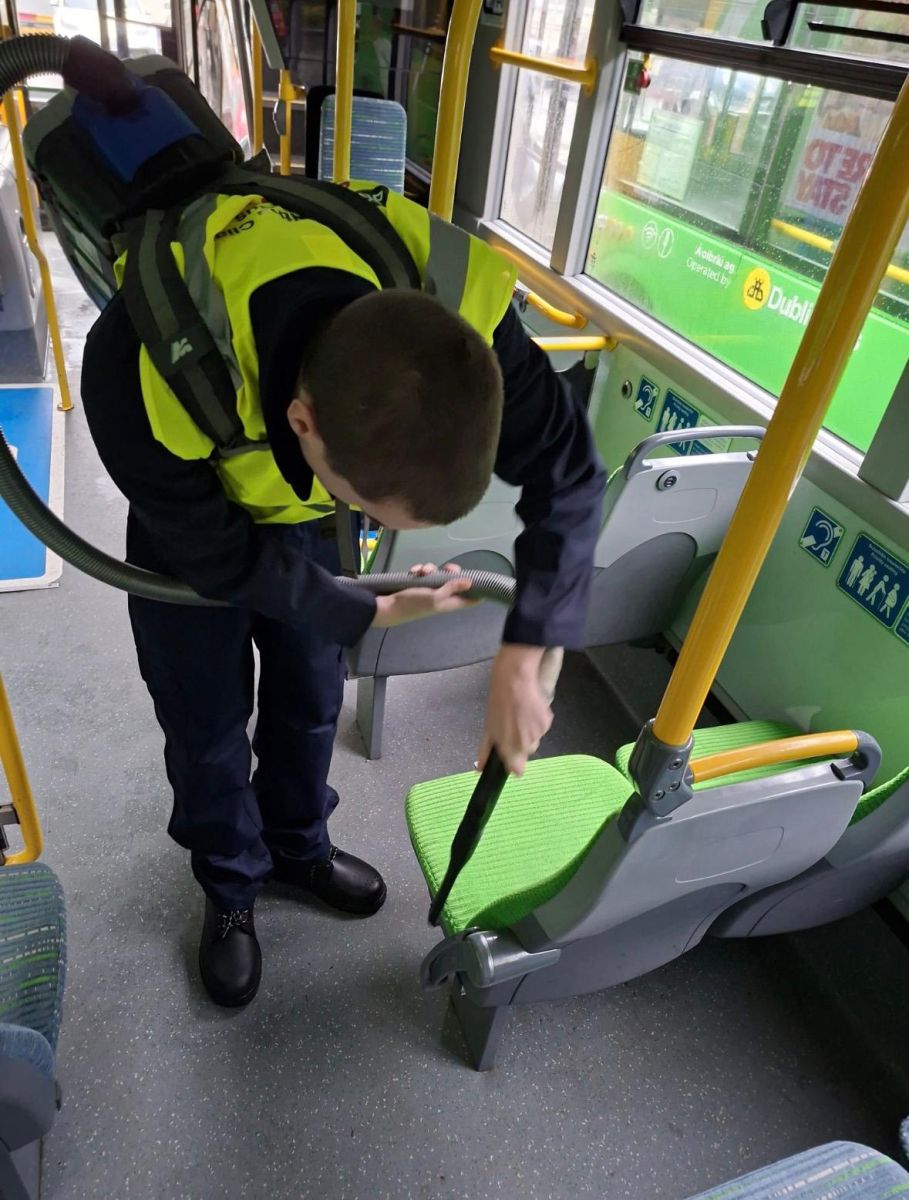
- A person moves from isolation to having recognised roles — volunteering, learning skills, and contributing locally
- Support staff act as connectors and facilitators, helping relationships grow rather than filling time with activities
The results include:
- Increased confidence and independence
- New friendships and social opportunities
- Greater choice, agency, and stability over time
How Networks Works
Networks works one person, one family at a time, guided by a shared vision for a good life.
We begin by asking:
- How do you want to live?
- Who matters in your life?
- What gives you purpose?
From there, we:
- Co‑create a Good Life Plan
- Build and strengthen personal and community networks
- Support contribution
- Adapt support as life changes over time
Relationships are not an outcome, they are the work.
What Makes Networks Different?
- People and families are partners
- Strengths and gifts come first
- Behaviour is understood as communication
- Value is measured by quality of life
What We’ve Learned
- Families want to remain involved
- Growth happens at the speed of trust
- Lives become richer when relationships are intentional and supported
- Systems need to adapt to people, not the other way around
Get in Touch
1 Longmile Road
Walkinstown
D12 FT73
01 465 0388
Read more about Lives through friends - A framework for good lives
Networks In Action